



 Bus timings from Hyderabad to Nirmal and vice versa.
  Sri Krishna Residency, Hotel
(Opp: Nirmal Toys Showroom, Nirmal)
Sri Krishna Residency, Hotel
(Opp: Nirmal Toys Showroom, Nirmal)

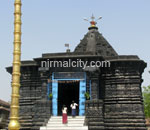

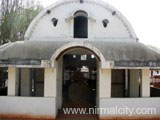
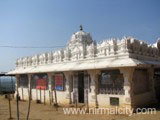



Basar Saraswati Temple
Basar Saraswati Temple Gallery-1
 Enrance, Basar
 Entrance Gate, Basar
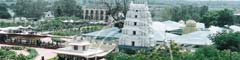
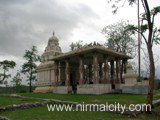
 Basar Saraswathi Temple - Front View
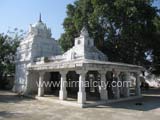
 Basar Saraswathi Temple
 Basar Saraswathi Temple
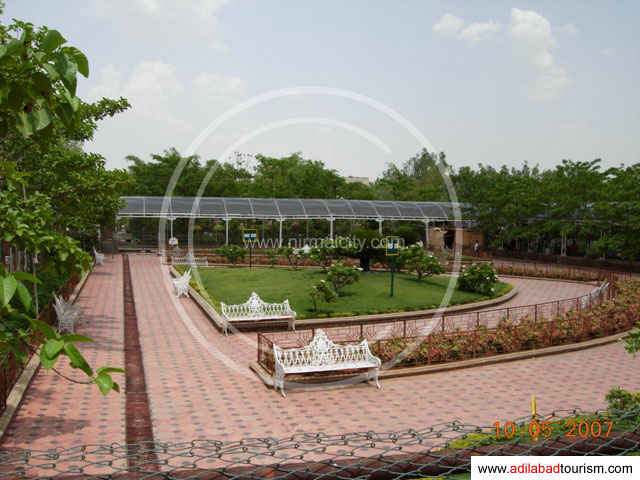 Basar Saraswathi Temple - Premises
 Basar Saraswathi Temple
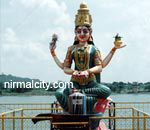
 Ammavaru
 Basar Saraswathi Temple
 Basar Saraswathi Temple
 Basar Saraswathi Temple
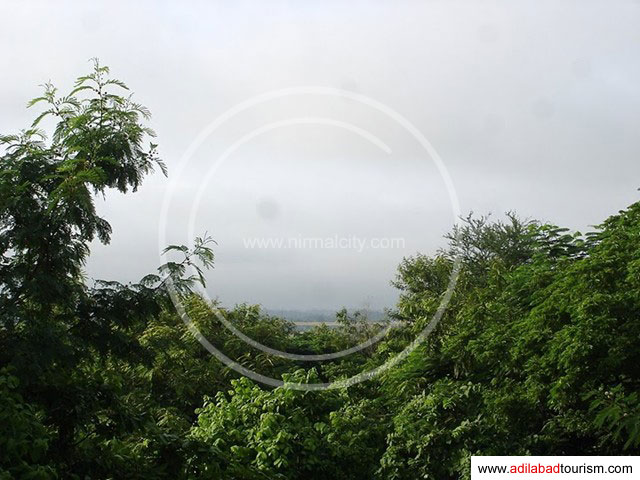 Basar Saraswathi Temple - Premises
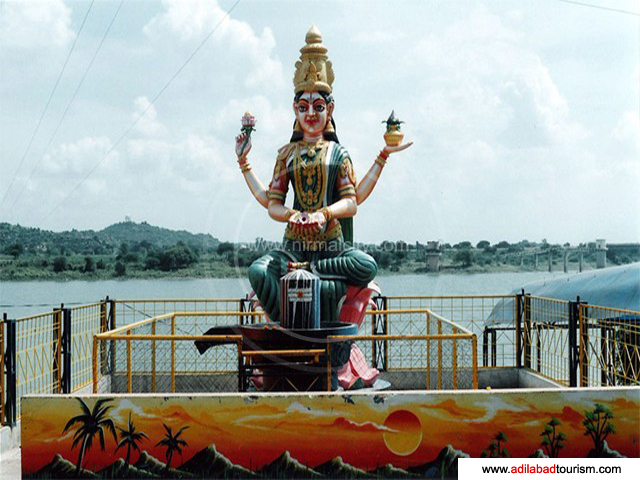 Basar Saraswathi Temple - Premises
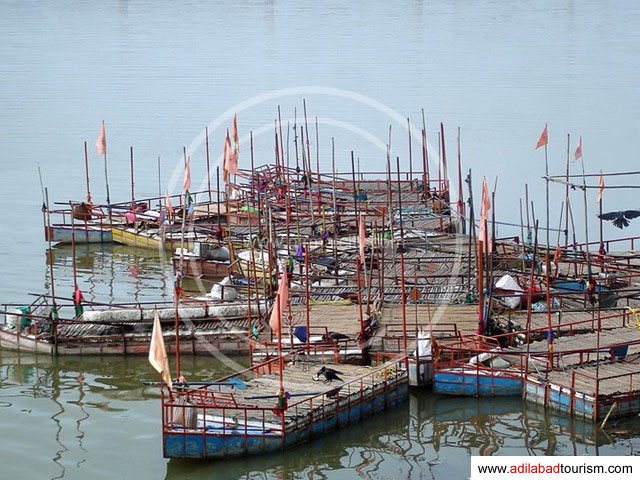 River Godavari, Basar
 River Godavari, Basar
 Boating Point, Basar
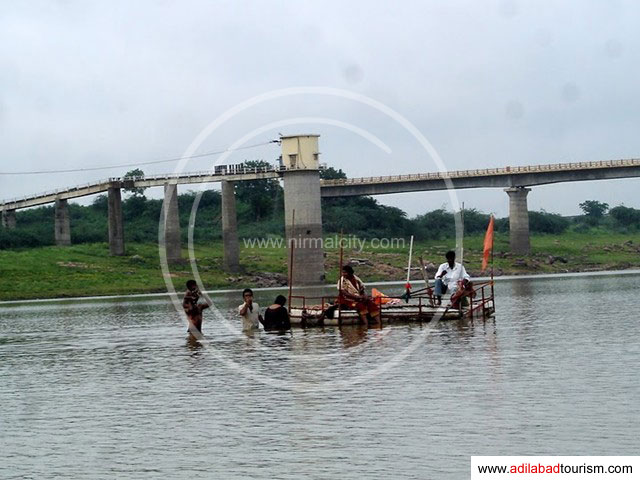 River Godavari, Basar
 River Godavari, Basar
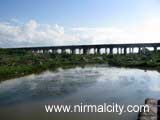
 Railway bridge on river Godavari
 Vyasa Maharshi Temple, Basar
 Vyasa Maharshi Temple, Basar
 Dattatreya Temple, Basar
 Basar Saraswathi Temple
 Nitya Chandi Homam
 Nitya Chandi Homam
 Basar Saraswathi Temple
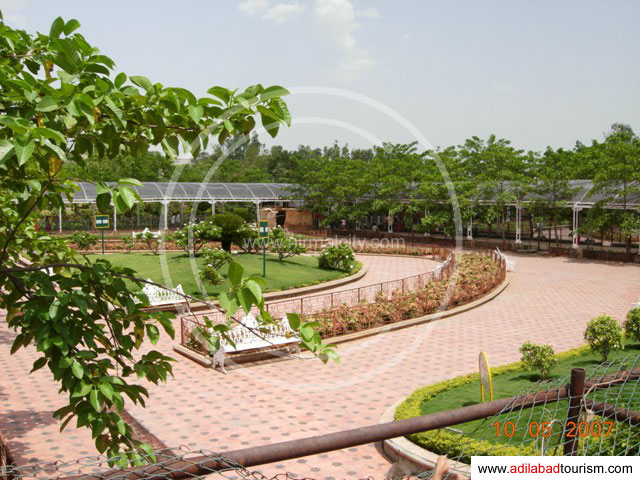 Basar Saraswathi Temple - Premises
 Basar Saraswathi Temple - Premises
 Way to Vyasa Muni Guha, Basar
 Vyasa Muni Guha entrance, Basar
 Vyasa Muni Guha, Basar
 Vyasa Muni Guha, Basar
 Vyasa Muni Guha, Basar
 Basar Saraswathi Temple - Pooja Details
 Railway Station, Basar
 Bus Station, Basar
 Railway Station, Basar
 Basar Saraswathi Temple
 Basar Saraswathi Temple - Sorroundings
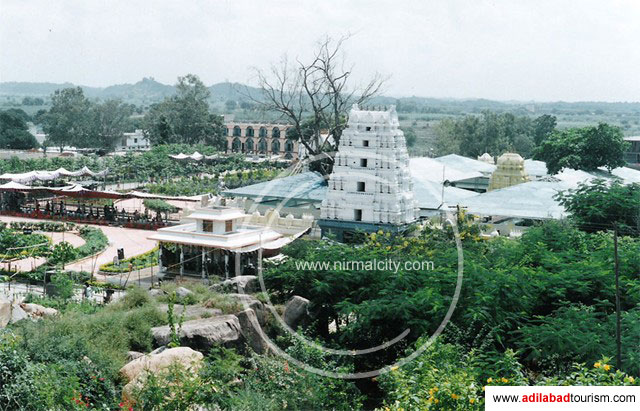 Basar Saraswathi Temple
History
Basar Saraswati Temple
Basara Saraswathi Temple is one among the two temples of this Goddess in India. The other is in Kashmir.
Let’s take the tour of the vibrant historical heritage
in and around Nirmal.
There are many places of worship built which reflect the amalgamation
of various cultures and traditions.
Among them the most important and most visited
place is the temple of Basar, the abode of Goddess
of Learning, Goddess Saraswathi.
Basar is well connected by rail and road. One can go by train,
The Secundrabad –Manmad Express that stops at Basar.And all state transport buses
from Hyderabad.
The temple authority provides the Devasthanam
Choultry for the devotees and visitors for their stay. There
are many guesthouses, restaurants and hotels available on reasonable
tariffs.
The temple of Goddess Saraswathi at Basar is one among the two
temples of this Goddess. The other is in Kashmir.
Basar is a village situated on the banks of river Godavari; the serene and pious nature attracts the kith and kin. Built at the confluence of the rivers Mangira and Godavari this temple is adorned by the goddess of knowledge and wisdom The Goddess Saraswathi.
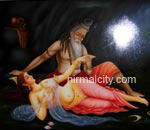
According to a popular legend great sage Vysa along
with his son sage Shuka and other disciples
desponded and dejected by the Kruskethra War left on a pilgrimage towards Dakshinapatnam (southern India).
He retired on the banks of River Godavari for a penance. This
was later called Vasar in his honour and gradually is being
called as Basar.
During his stay, Sage Vysa bought three handfuls of
sand and made them into three heaps daily after the morning
bath. T he heaps have transformed into the divine trio The Lakshmi,
The Sarada and The Gowri. The idol made of sand is
smeared with turmeric.
Another popular legend says that Sage Valmiki
prior writing his magnus opus The Ramayan; installed Goddess
Saraswathi and seeked her blessing. One can find the marble
samadi of Valmiki near the Saraswathi temple.
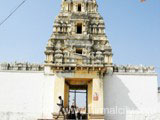
The temple is an example of the Dravidian architectural splendour.
The Garbha gudi or Garbha griha, Gopurams, Prakarams and the
like all are sculptured with grandeur. The idol of Goddess Lakshmi
is installed along with Goddess Jnana Saraswathi.
The goddess adorns the throne in sitting posture, which is of
4 feet tall.
Another object of attraction is the granite pillar that emits
the sound of ‘Saptaswaras’when struck with a stone,
drawing visitors’ attention. Another speciality is the
tree called ‘Oudumbra’ at the base of which are
installed the sacred sandals of Dattatreya’. It is believed
that a barren woman is gifted with a child on mere touch of
them.
Devotees stream the temple for the ritual of ‘AksharaAbhishekam’
of their children; the formal starting of education deeming
it to be auspicious.
The annual festivals of ‘Devi Nava Rathri’, ‘Dattatreya
Jayanthi’, and ‘Vasantha Panchami’ are celebrated
with utmost dedication and devotion and draws devotees from
all parts of the country from all walks of life. A shrine one
must visit in one’s lifetime; the abode of Goddess of
learning and knowledge is the BASAR Saraswathi temple in the
Muthol taluq in the district of Adilabad in Andhra Pradesh.
For more information on Basar Saraswathi,
please visit: www.basaratemple.org
Where to stay?
TTD Guest House ( Four Rooms)
Each room (Non-AC) Rs. 150 per day, AC room Rs. 400 per day.
Vemulavada Guest House 4 rooms.
Rs. 75 per day per room.
Saraswathi Sadan Guest House with 5 rooms.
Rs. 75 per day per room.
Nilanghekar Guest House ( Donor Guest House) With 4 rooms
Rs. 100 per day per room.
Gourla Guest HOuse (Donar Guest House) with 2 rooms
Rs.150 per room per day.
Dharamshala with 9 rooms
Rs.100 per room per day.
There is a large 100 room Tirumala Tirupathi Devasthanam (TTD) Guest House. Rooms are available for Rs. 100 per day.
There are Brahmana Choultry and Vyshya Choultry near the temple premises.
APTDC run Punnami hotel ( Ph: 08752-243691) is also available for the visitors. For reservations and bookings visit APTDC website.
Besides these major accomodation facilities, there are about 20 private lodging establishments with an average of 15 rooms each. Air conditioned rooms cost about Rs. 700 per day and Non-AC about Rs. 200.
To reserve the rooms, please write a letter to Excutive officer along with a Demand Draft of Rs. 200 for Non-AC room and Rs. 500 for AC room, in favour of "Excutive officer, Gnana Saraswathi Devi Devastahnam" payable at "State Bank of Hyderabad-Basar, Andhra Pradesh" Make sure to mention the date, time, duration of stay, number of people and number of rooms you want to reserve. Register post the letter to the following address:
The Executive Officer
Sri Gnana Saraswathi Devasthanam,
Basara - Village: Mudhole - Mandal.
Adilabad. Pin - 504101,
Andhra Pradesh,
India.
Devasthanam Phone number (91) 08752 - 243503
Executive Officer (Office) (91) 08752 - 243550
E.O (Home) (91) 08752 - 243903
Tourist Guide
Adilabad Travel Guide - Tourist Roadmap

|
|
||||||||||||||||||||
Basara is well connected with Road and Rail
routes. List of trains and their schedule
to Basar. Kindly visit South central railway website for detailed schedule
|
||||||||||||||||||||
|
||||||||||||||||||||
(Note: Kindly reconfirm the
train numbers and the destinations with the
proper railway authorities. Web site is not
responsible for an misinformation) 040 - 23434268
General Enquiry
|
||||||||||||||||||||